
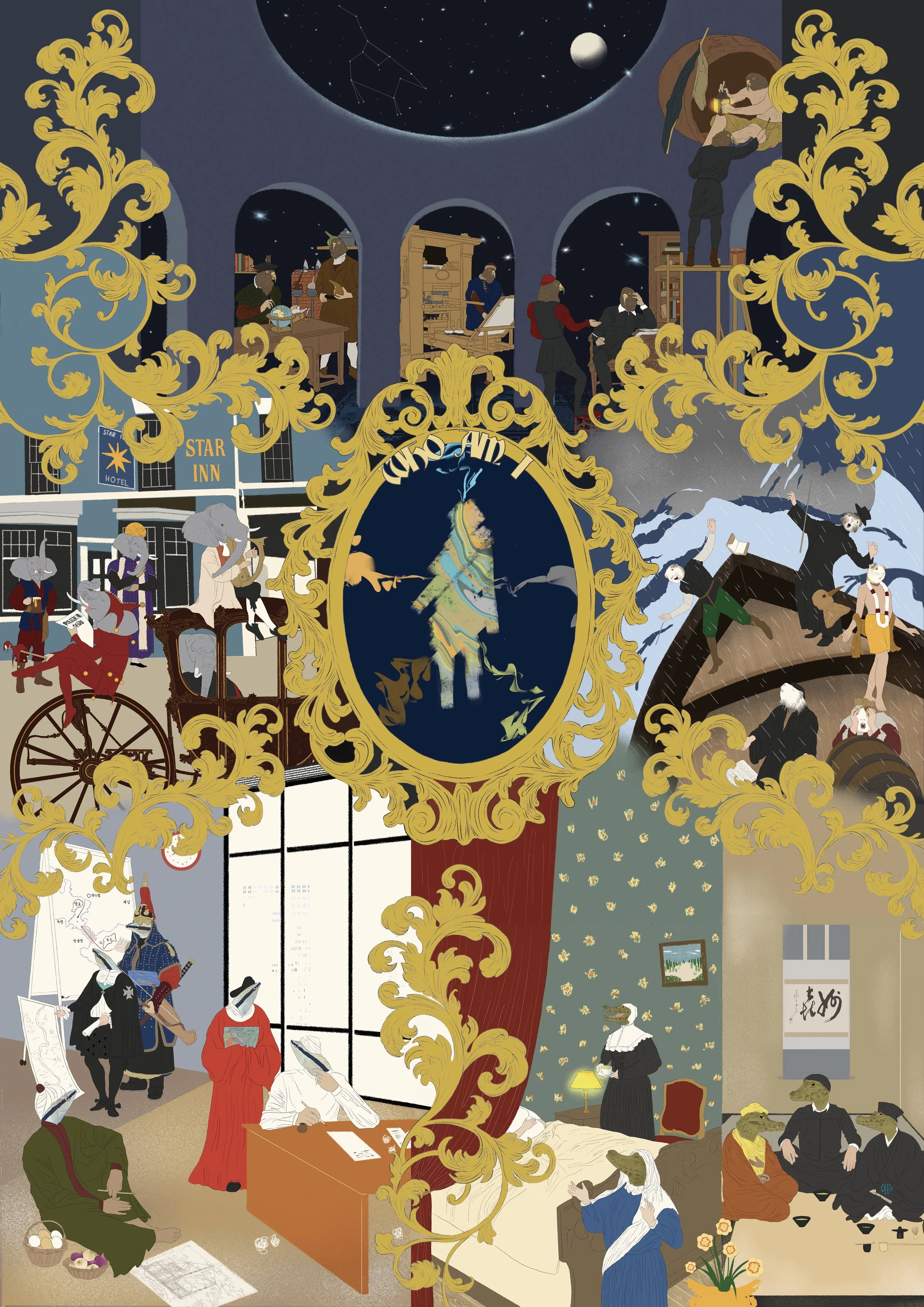
Who Am I
Part one of a three-part series of The Long Walk to Ourselves
Researched and written by Zack Chua
Read time: 20 - 30mins
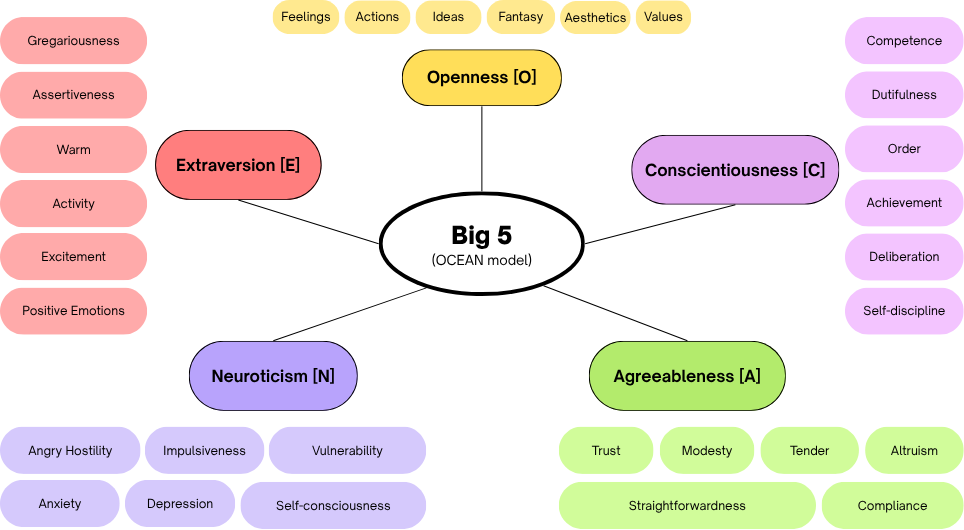
“Who Am I?” is a visual and poetic exploration of identity through the lenses of psychology, history, and zoology. The piece is divided into five parts, with each part representing one domain of the Big Five personality model:
Openness, Conscientiousness, Extraversion, Agreeableness, and Neuroticism.
The Question That Summons
I have slain the greatest dragon.
I have crossed the widest ocean.
I have climbed the highest mountain.
They call me brave.
They call me strong.
They call me legendary.
But I know the truth.
I am a coward.
I killed dragons to quiet my pulse.
I crossed oceans to outrun my shadow.
I climbed mountains to avoid my reflection.
I alone knew this.
Until today.
Today, I shall finally be brave.
For the first time, I shall meet the mirror.
Deep in the mirror waits the man I was too afraid to name.
Let him come.
This time, I will not turn away.
Let the question summon him.
“Who am I?”
Shape of the Man
“Who am I?”
Now, I bravely ask.
The mirror does not answer.
I ask again.
And again.
“I deserve the answer.
My resolve cannot be matched.
Test me.
Challenge me.”
Still, the mirror is silent.
I stare at the silhouette in the mirror, furious.
My eyes are clear. Yet I cannot see.
Why is my mirror without life?
Why is it without colour?
Why does it show only the shape of a man, and not the man himself?
“Who am I? Answer me! Show me!”
The mirror remains silent.
Then it must be broken.
Yes.
That must be it.
I have no time to waste.
I turn away.
I will not look at you again.
-
Within each domain, historical figures are selected to embody the spirit of that trait. These figures come from different occupations and from the Renaissance and early modern period, roughly the 1400s to 1700s—an age of cultural revival, intellectual discovery, artistic experimentation, and social transformation.
Each figure is given the face of an animal that symbolically reflects the trait they represent, creating a set of theriomorphic characters: human-animal hybrids where personality becomes visible through form, gesture, and symbolism.
-
At the centre of the piece stands a mirror, holding a human silhouette.
From each of the five personality domains, flowing essences move toward the figure, as though the self is being formed, shaped, or revealed by these invisible forces. The mirror becomes both question and answer: a place where the viewer confronts not only the characters, but themselves.
-
In this sense, “Who Am I?” uses the Big Five personality model as a symbolic structure rather than a diagnostic tool.
It imagines what invisible traits might look like if they took visible form. The mirror suggests that the self is not one simple answer, but a convergence of inherited tendencies, lived choices, hidden fears, and continual becoming.
-
Alongside the visual work is a three-part poem on courage, denial, and recognition, tracing the journey from outer heroism to inner truth. In the accompanying poem, this is the same mirror the character sees in his final breath, making it not only a symbol of reflection, but of ultimate self-recognition.
The poem gives emotional and narrative depth to the piece, turning the Big Five from a psychological framework into a journey of self-recognition.
The Wrong Question
“Who am I?”
I ask again, in my final moments.
The mirror does not answer.
“Mirror, grant me this last wish.
I want only a glimpse.
Show me who I am.
Please.”
The silhouette remains blurred.
Almost mocking.
As expected.
I have no regrets.
I have lived a good life.
But if I could have another day,
I would run down a hillside bright with flowers.
I would laugh with my friends over nothing.
I would touch the world without trying to conquer it.
I would welcome joy, anger, fear, even hatred, again,
and thank them all for being mine.
The silhouette moves.
Thin streams of colour emerge from
different edges of the mirror.
“Mirror.
Was I good to be around?
Did I bring warmth, or weight?
Did I listen when others needed me,
or did I wound what I should have protected?”
They begin flowing toward my silhouette.
“Did I keep my word?
Did I finish what mattered?
Did I chase too much, or neglect too much?
Did I meet life with laughter, courage,
and open arms, or did I hide from the world?”
The colours enter my silhouette.
For the first time, there is life in my reflection.
“What did I fear?
What did I do with my anger?
How did I carry my grief?
Did I stay curious, make room for beauty,
and let the world remain strange?”
The colours swirl inside my reflection.
Finally, I begin to see myself.
Smiling, I breathe my last.
I had been asking the wrong question all along.
Our Selection Process
All character and animal selections are guided primarily by three criteria:
Visual Impact
The figure must be striking,
memorable, and artistically compelling.
Trait Representation
The person and animal should clearly
express the chosen Big Five domain.
Historical Significance
The figure should hold meaningful cultural,
intellectual, artistic, political, or social importance.
“At its heart,
“Who Am I?” asks whether identity is something we inherit, discover, construct, or become. It turns personality into a living cast of figures, animals, spirits, and shadows—each one contributing a fragment to the person in the mirror.”—Zack Chua, Conceptualist and writer for “Who Am I”
Other Considerations
Other considerations include geographical diversity, strength of historical evidence, and a deliberate effort to avoid overused clichés or figures who are already too familiar. These factors matter, but they remain secondary to the central goal: to make personality visible through character, history, animal symbolism, and poetic imagination.
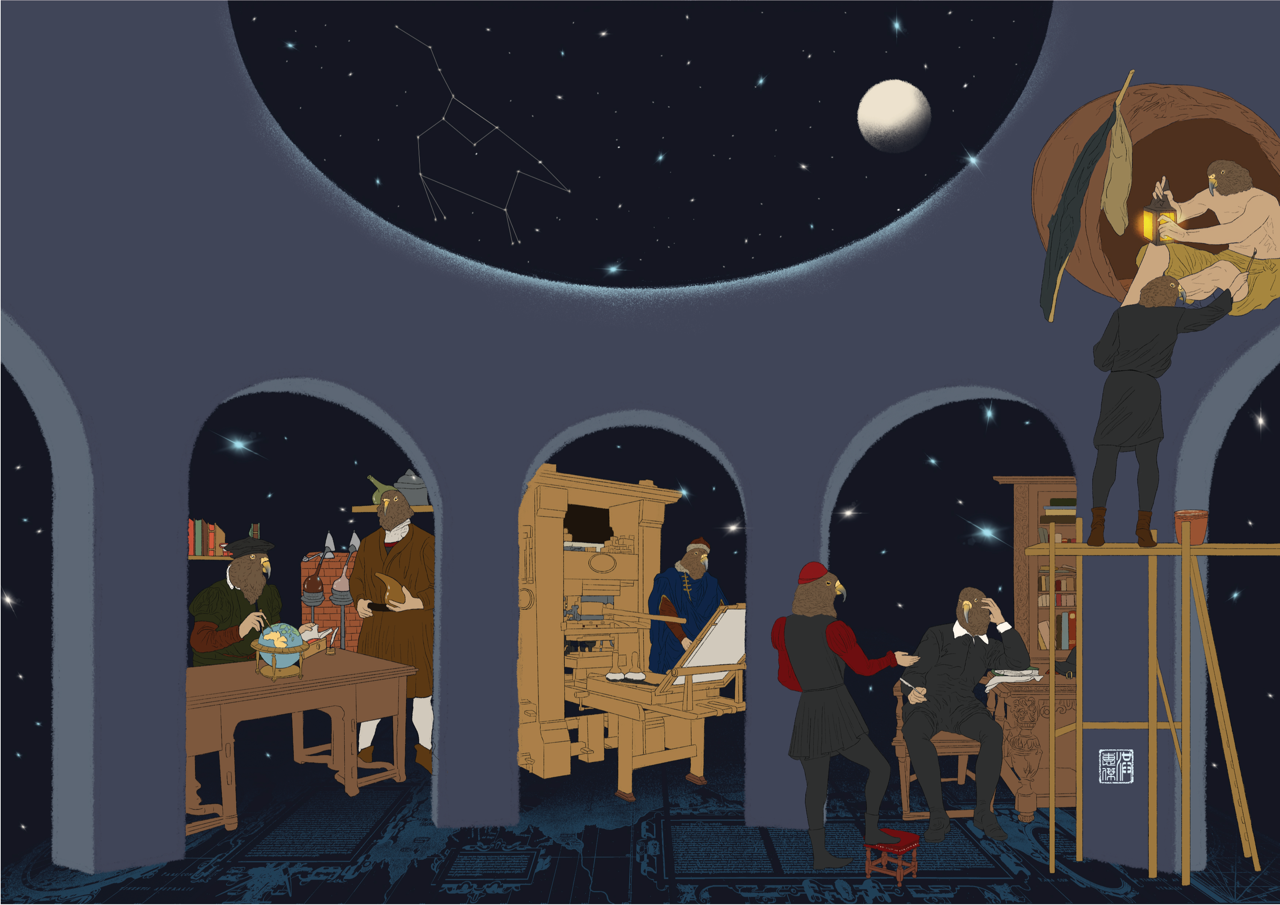
At the top we have the trait “Openness”, described as the tendency to seek imagination, novelty, beauty, ideas, complexity, and new possibilities.
360 Breakdown
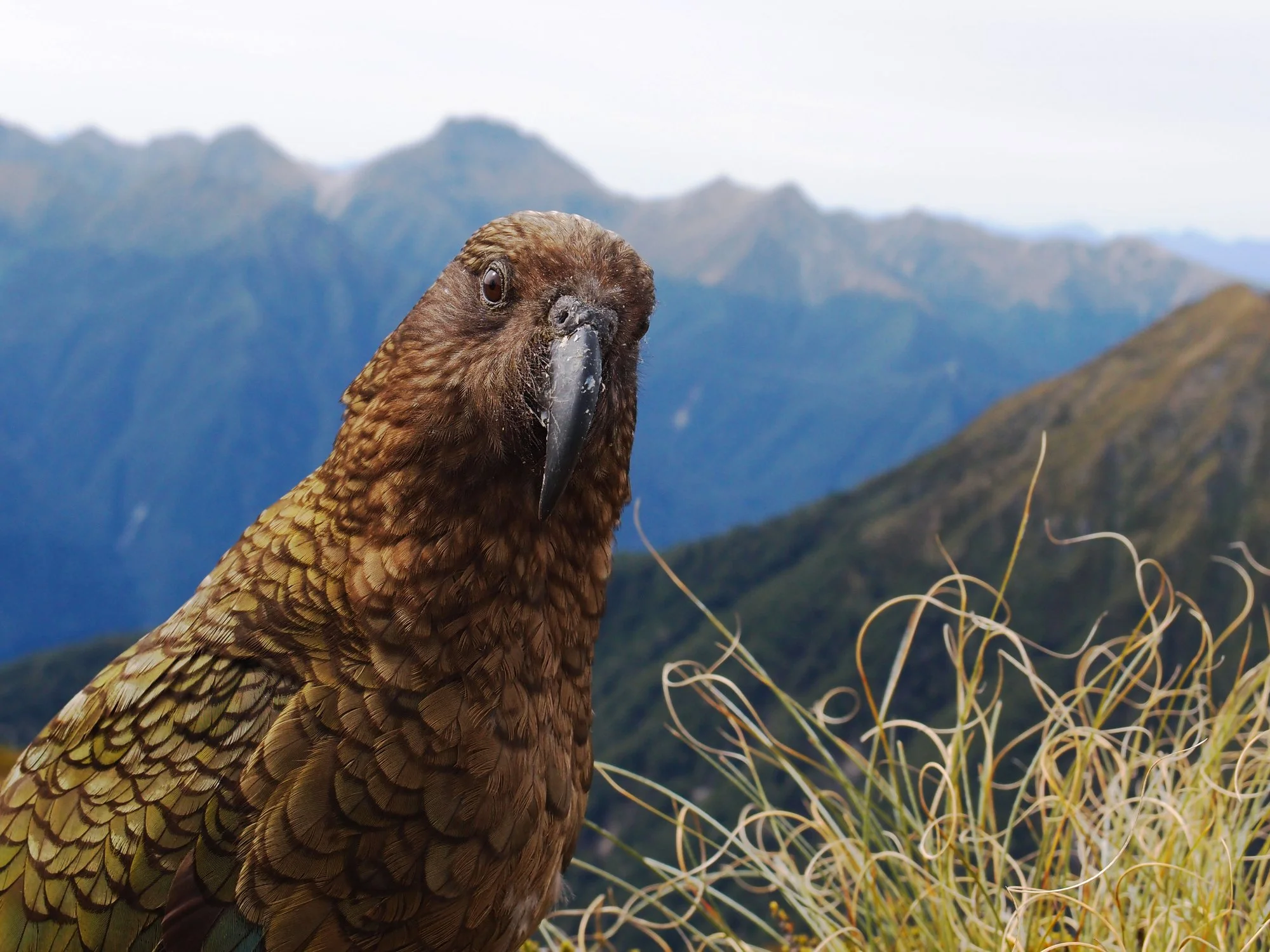
The animal chosen is the Kea parrot, known for its inquisitive and exploratory nature.
From left to right, the historical characters chosen were:
-
The Mercator projection, atlas work, and his broader cartographic-scientific output all point to exceptional conceptual and theoretical engagement.
His work as a calligrapher, engraver, globe-maker, and mapmaker suggests refined attention to visual elegance and form, not just utility.
☑ Ideas — 97
☑ Aesthetics — 76
Actions — 69
Values — 63
Fantasy — 54
Feelings — 40 -
His public rejection of academic medicine and readiness to elevate nontraditional sources of knowledge strongly suggest low dogmatism and high openness to revising norms.
His travels across Europe and beyond (13 different countries), learning from varied healers and alchemists, strongly indicate openness to new experiences and methods.
☑ Ideas — 97
☑ Values — 91
Actions — 89
Fantasy — 84
Feelings — 57
Aesthetics — 52 -
His major innovation, the movable-type printing press, required conceptual recombination across metallurgy, mechanics, layout, and replication, suggesting strong tolerance for complex ideas.
The Gutenberg Bible is famous not merely as a technical feat but as a beautifully executed printed object, suggesting care for visual refinement.
☑ Ideas — 95
☑ Aesthetics — 71
Actions — 64
Values — 56
Fantasy — 50
Feelings — 39 -
His encyclopedic curiosity, abstract thinking, philosophical disputation, and a desire to compare many systems at once all strongly suggest a very high level of openness to ideas.
Pico’s syncretic method, taking elements from multiple philosophies and religious traditions and trying to reconcile them, strongly implies independence from rigid orthodoxy.
☑ Ideas — 98
☑ Values — 93
Fantasy — 87
Actions — 80
Aesthetics — 74
Feelings — 60 -
His body of work spans ghosts, fairies, kings, fools, lovers, murderers, philosophers, clowns, and inwardly divided selves; this is one of the strongest imaginable historical signals for fantasy.
His works display unusual breadth and precision in representing jealousy, grief, shame, love, ambition, dread, tenderness, guilt, longing, and irony, highlighting the full range of human emotions and conflict.
☑ Fantasy — 99
☑ Feelings — 99
Aesthetics — 95
Ideas — 88
Values — 83
Actions — 62
As “Openness” is both our personal standout trait, we included Michelangelo the artist and Diogenes the philosopher. They are some of our favourite historical characters.
To the left we have “Extraversion”, described as the tendency to seek social energy, stimulation, assertive action, enthusiasm, and outward engagement.
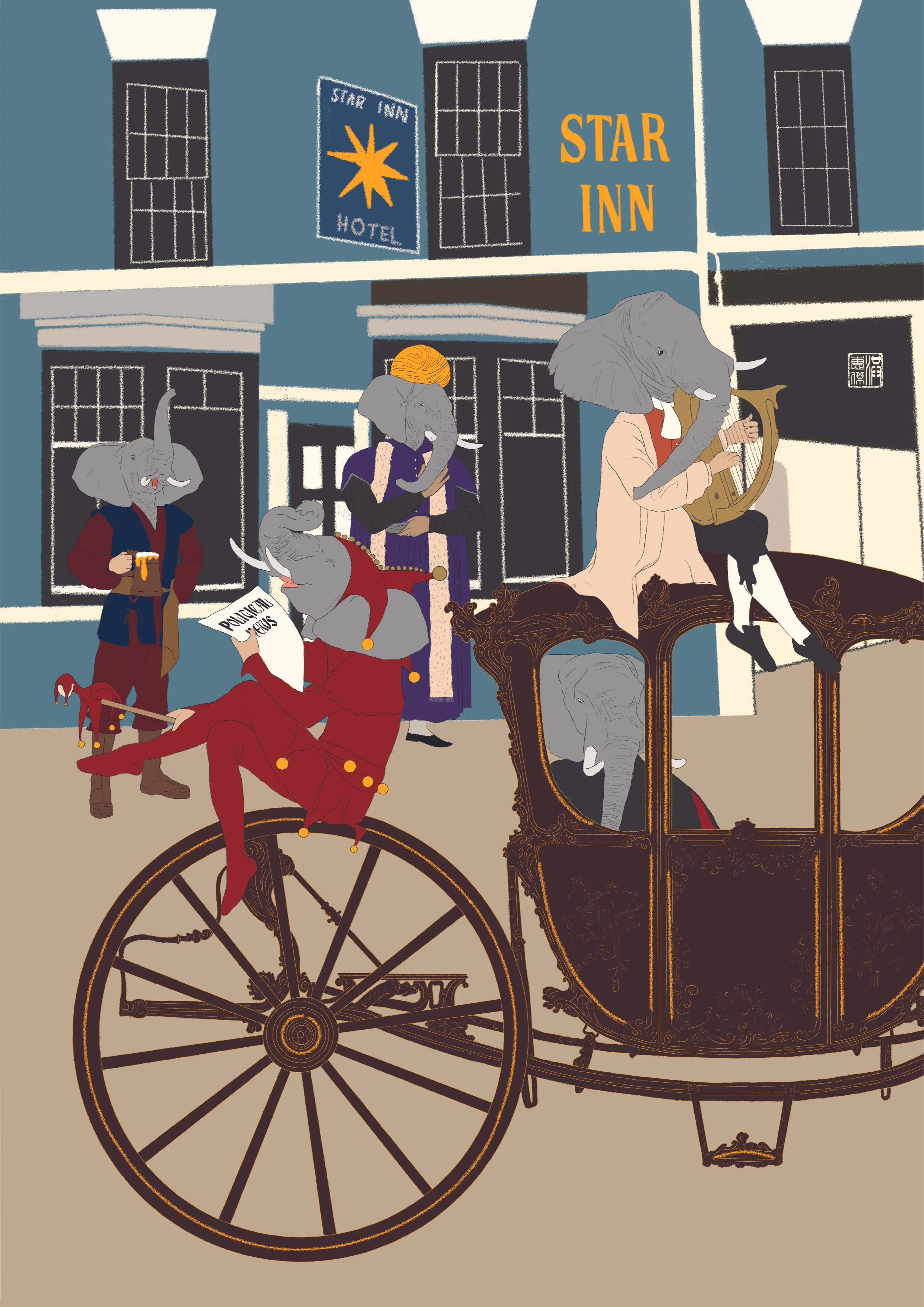
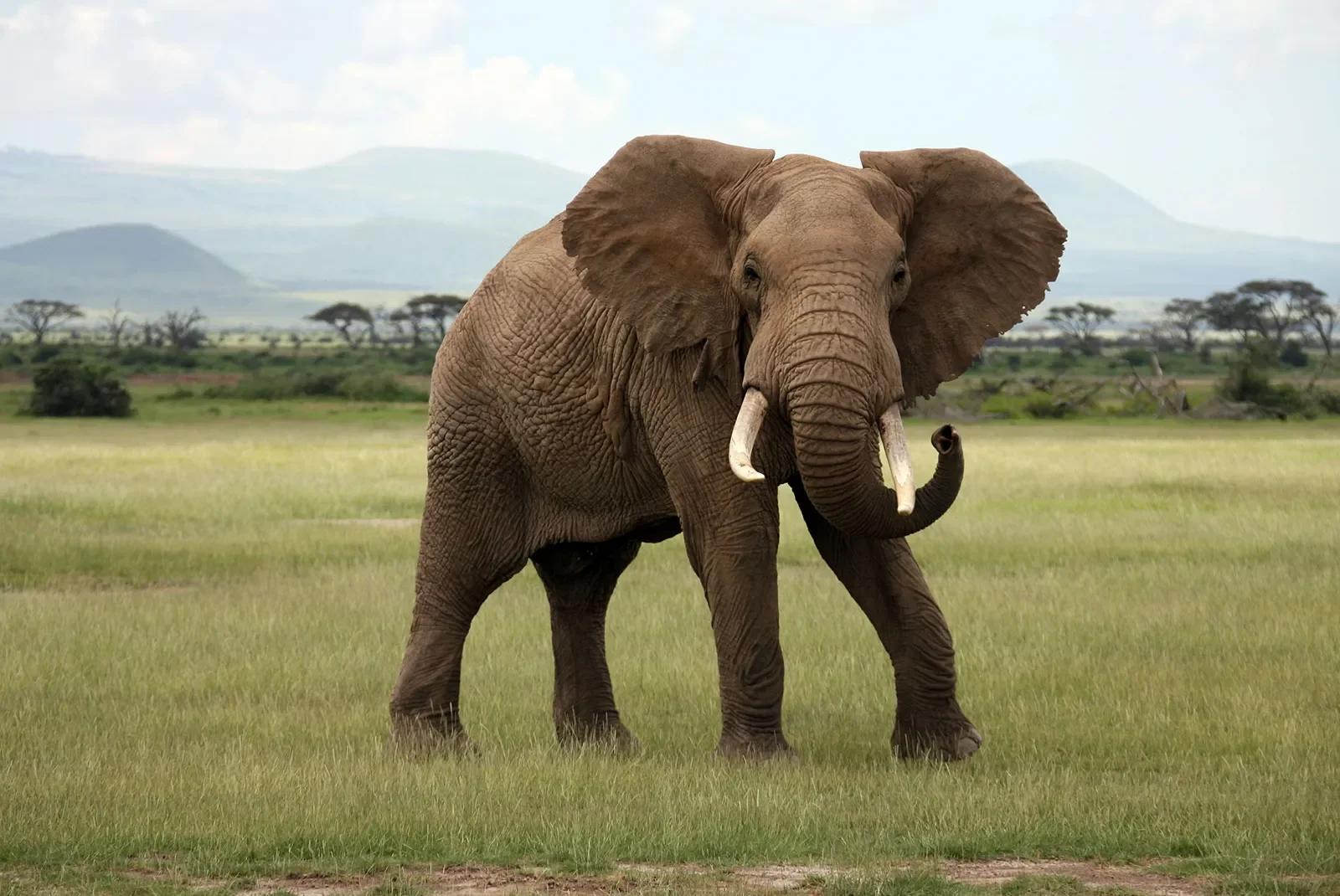
The animal chosen is the African Elephant, known for its social and protective nature.
From left to right, the historical characters chosen were:
-
Innkeeping is one of the clearest medieval occupations for routine social exposure. His probable occupation would have placed him in a dense stream of travelers, merchants, and locals.
Urban hostelling and trade were not passive livelihoods. His movement into London commerce and property involvement imply a fairly active life.
☑ Gregariousness — 74
☑ Activity — 72
Enthusiasm — 64
Assertiveness — 63
Warmth — 61
Positive Emotions — 58
Excitement-Seeking — 49 -
His reputation rests on speaking uncomfortable truths through satire and criticizing those in power. That strongly suggests social boldness and verbal nerve.
Court jesters lived in intensely social settings and had to function amid rulers, courtiers, and ceremonial life. Stańczyk’s long association with multiple royal courts supports high comfort with frequent human contact.
☑ Assertiveness — 86
☑ Gregariousness — 78
Activity — 72
Excitement-Seeking — 68
Enthusiasm — 64
Warmth — 62
Positive Emotions — 57 -
Being a major creditor/buyer dealing with the East India Company suggests bargaining power, confidence, and comfort in high-stakes commercial settings.
His career was commercially active, geographically extended, and organizationally demanding. A merchant involved in maritime trade and large transactions was not living a passive or narrow life.
☑ Assertiveness — 82
☑ Activity — 77
Gregariousness — 70
Excitement-Seeking — 64
Enthusiasm — 58
Warmth — 56
Positive Emotions — 53 -
He occupied politically exposed roles, handled missions, wrote with striking directness, and projected a forceful, unembarrassed intellectual voice.
His career was busy, mobile, and demanding. Contemporary accounts of his service stress repeated missions and substantial practical energy.
☑ Assertiveness — 83
☑ Activity — 76
Gregariousness — 72
Excitement-Seeking — 63
Enthusiasm — 60
Positive Emotions — 58 -
Carolan’s social role was built on hospitality, patron relationships, and affectionate tribute. His many patron-dedications imply personal warmth and relational attentiveness rather than cold professionalism.
The “planxty” tradition, merry-host associations, and his reputation as a welcomed musical guest suggest someone who often generated and transmitted good feelings.
☑ Warmth — 85
☑ Positive Emotions — 81
Gregariousness — 80
Activity — 74
Assertiveness — 58
Excitement-Seeking — 54
Next, to the bottom left we have “Conscientiousness”, described as the tendency to be disciplined, organised, responsible, deliberate, and goal-directed.
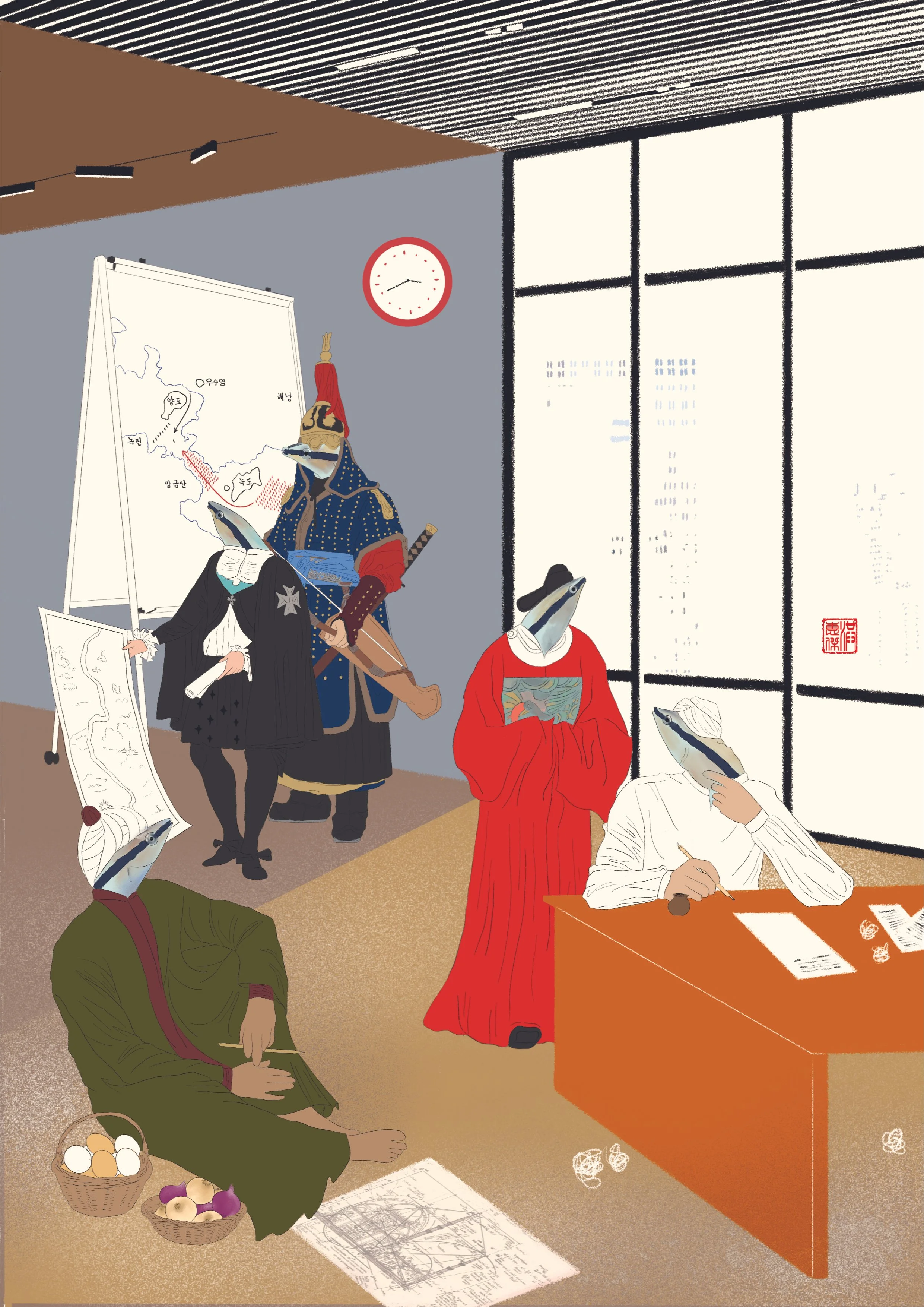
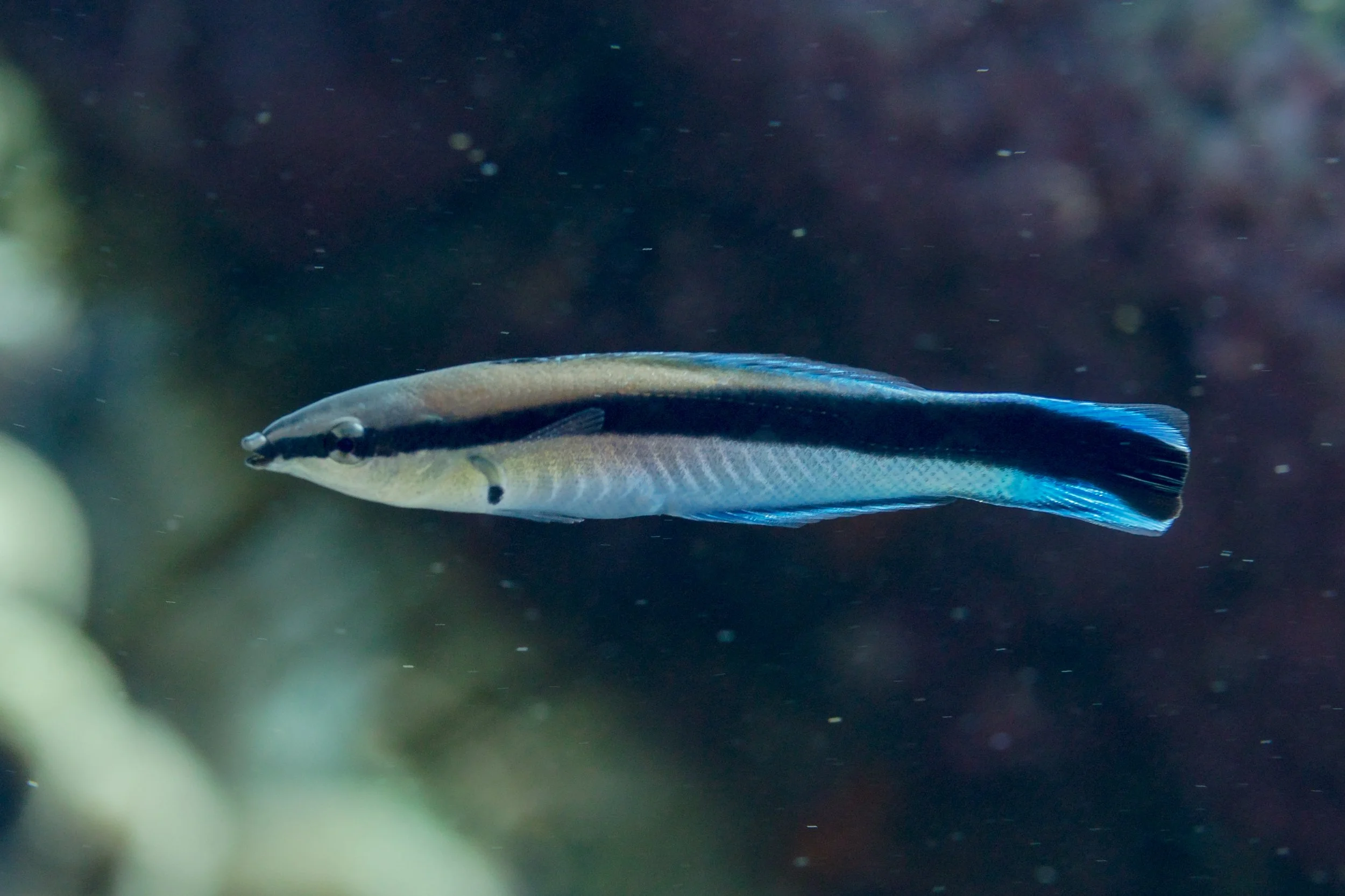
The animal chosen is the Cleaner Wrasse, known for its meticulous and attentive nature.
From left to right, the historical characters chosen were:
-
Sinan’s sustained success across engineering, mosque design, civic construction, and court service strongly suggests extraordinary practical mastery.
A fifty-year career of large-scale production is very hard to explain without unusual persistence and work stamina.
☑ Competence — 97
☑ Self-Discipline — 96
Order — 95
Achievement Striving — 94
Deliberation — 94
Dutifulness — 91 -
His career strongly reflects system-building, regulation, centralization, and administrative structuring.
His reforms and breadth of activity imply unusual ambition, work drive, and sustained pursuit of large-scale goals.
☑ Order — 96
☑ Achievement Striving — 95
Self-Discipline — 95
Competence — 94
Dutifulness — 93
Deliberation — 91 -
Loyalty to office, persistence despite political mistreatment, and continued service under extreme danger make this his clearest conscientiousness facet.
Sustained leadership through years of invasion, hardship, and repeated danger strongly implies extraordinary endurance and self-command.
☑ Dutifulness — 99
☑ Self-Discipline — 97
Competence — 96
Deliberation — 95
Order — 92
Achievement Striving — 88 -
Obligation, principle, fidelity to office, and willingness to confront power for the sake of duty, textbook dutifulness.
His austere reputation, incorruptibility, and persistence despite danger strongly imply unusual self-control and endurance.
☑ Dutifulness — 98
☑ Self-Discipline — 94
Competence — 90
Deliberation — 88
Order — 84
Achievement Striving — 72 -
A massive, systematized reference work for bureaucratic use strongly implies love of structure, categorization, and formal organization.
The scale, completion, and administrative practicality of his work imply sustained effort over long periods without losing coherence.
☑ Order — 94
☑ Self-Discipline — 92
Competence — 91
Deliberation — 90
Dutifulness — 89
Achievement Striving — 86
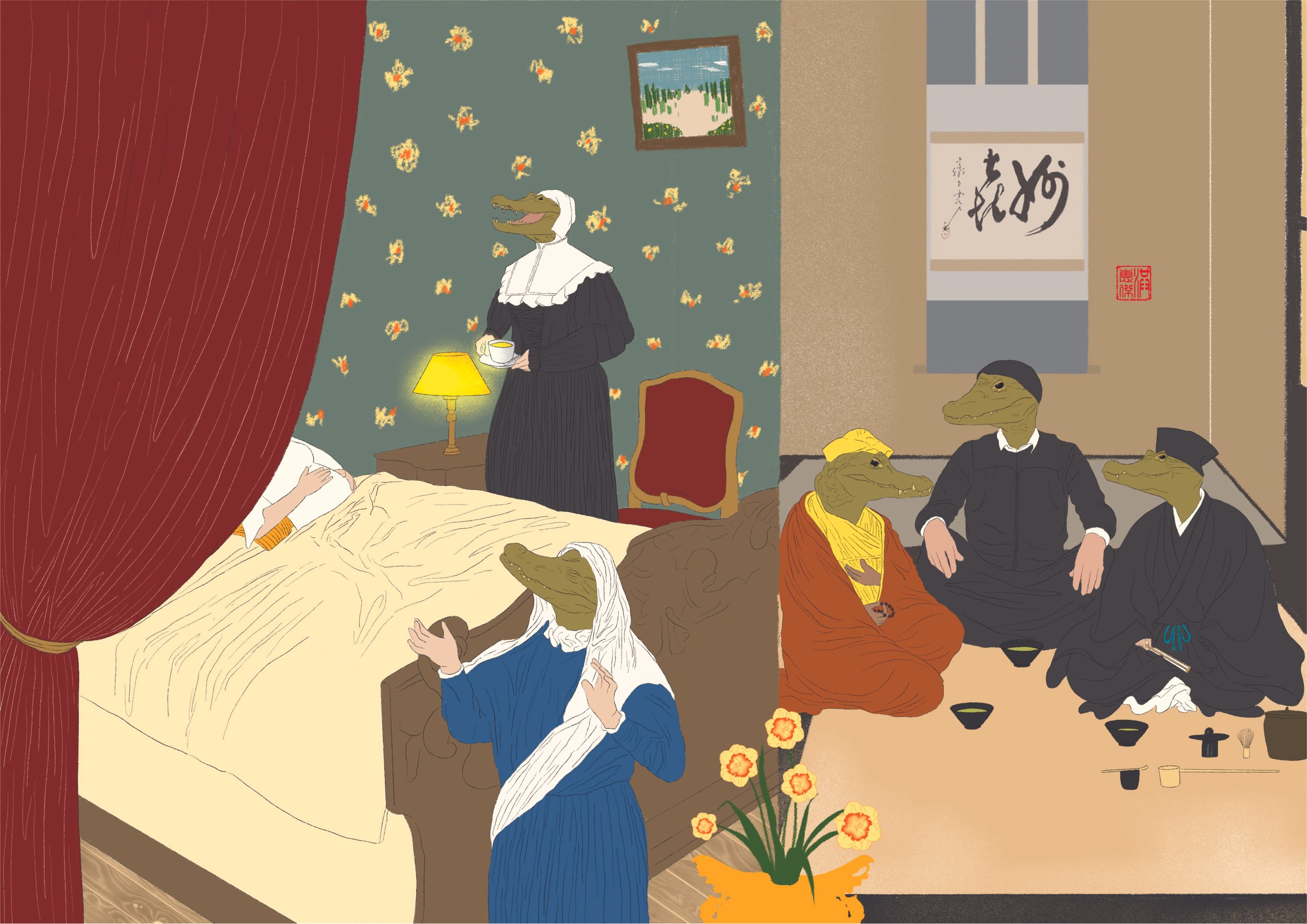
To the bottom right we have “Agreeableness”, described as the tendency to be compassionate, cooperative, trusting, forgiving, and concerned with others’ wellbeing.

The animal chosen is the Caiman Crocodile, known for its rare communal care, protecting not only its own young but the vulnerable young of others.
From left to right, the historical characters chosen were:
-
Midwifery demands direct service to mothers, infants, and families during moments of danger and vulnerability. Siegemund’s work suggests strong care-oriented motivation, especially because she systematized knowledge for other women and practitioners.
Her role required sensitivity to fear, pain, childbirth risk, and maternal vulnerability. She likely had strong compassion, though expressed practically rather than sentimentally.
☑ Altruism — 94
☑ Tender-Mindedness — 91
Straightforwardness — 89
Trust — 86
Compliance — 83
Modesty — 79 -
Her service to the sick and poor strongly suggests very high Altruism. She was not merely contemplative; her spirituality became bodily care, endurance, and service in painful conditions.
She likely had deep sensitivity to suffering, human frailty, and spiritual pain. Her religious temperament points to strong emotional compassion, especially toward those physically and socially vulnerable.
☑ Altruism — 98
☑ Tender-Mindedness — 96
Modesty — 92
Trust — 87
Compliance — 85
Straightforwardness — 83 -
Guru Nanak strongly valued truth. His religious message criticized hypocrisy, ritualism, corruption, and false piety. This suggests very high sincerity and moral directness.
His teaching emphasized service, generosity, sharing, and care for others. The Sikh principle of seva strongly reflects high Altruism: kindness expressed through action, not merely feeling.
☑ Straightforwardness — 98
☑ Altruism — 97
Tender-Mindedness — 94
Trust — 91
Modesty — 90
Compliance — 82 -
Vincent de Paul’s identity was built around direct service to the poor, sick, abandoned, and socially neglected. His compassion was not abstract; it became institutions, missions, hospitals, and charitable networks.
He showed unusually strong emotional concern for suffering. His spirituality emphasised mercy, care, humility, and the dignity of the poor. He likely had a very high sensitivity to human vulnerability.
☑ Altruism — 99
☑ Tender-Mindedness — 97
Trust — 91
Modesty — 90
Compliance — 86
Straightforwardness — 84 -
Rikyū’s tea philosophy emphasized humility, simplicity, plainness, and the rejection of excessive display. His ideal of beauty favored quietness over grandeur.
His sensitivity to mood, atmosphere, impermanence, and human encounter suggests high Tender-Mindedness.
☑ Modesty — 97
☑ Tender-Mindedness — 88
Straightforwardness — 86
Compliance — 84
Altruism — 81
Trust — 78
Lastly, we have “Neuroticism”, described as the tendency to experience emotional sensitivity, stress, anxiety, mood instability, and threat-awareness.
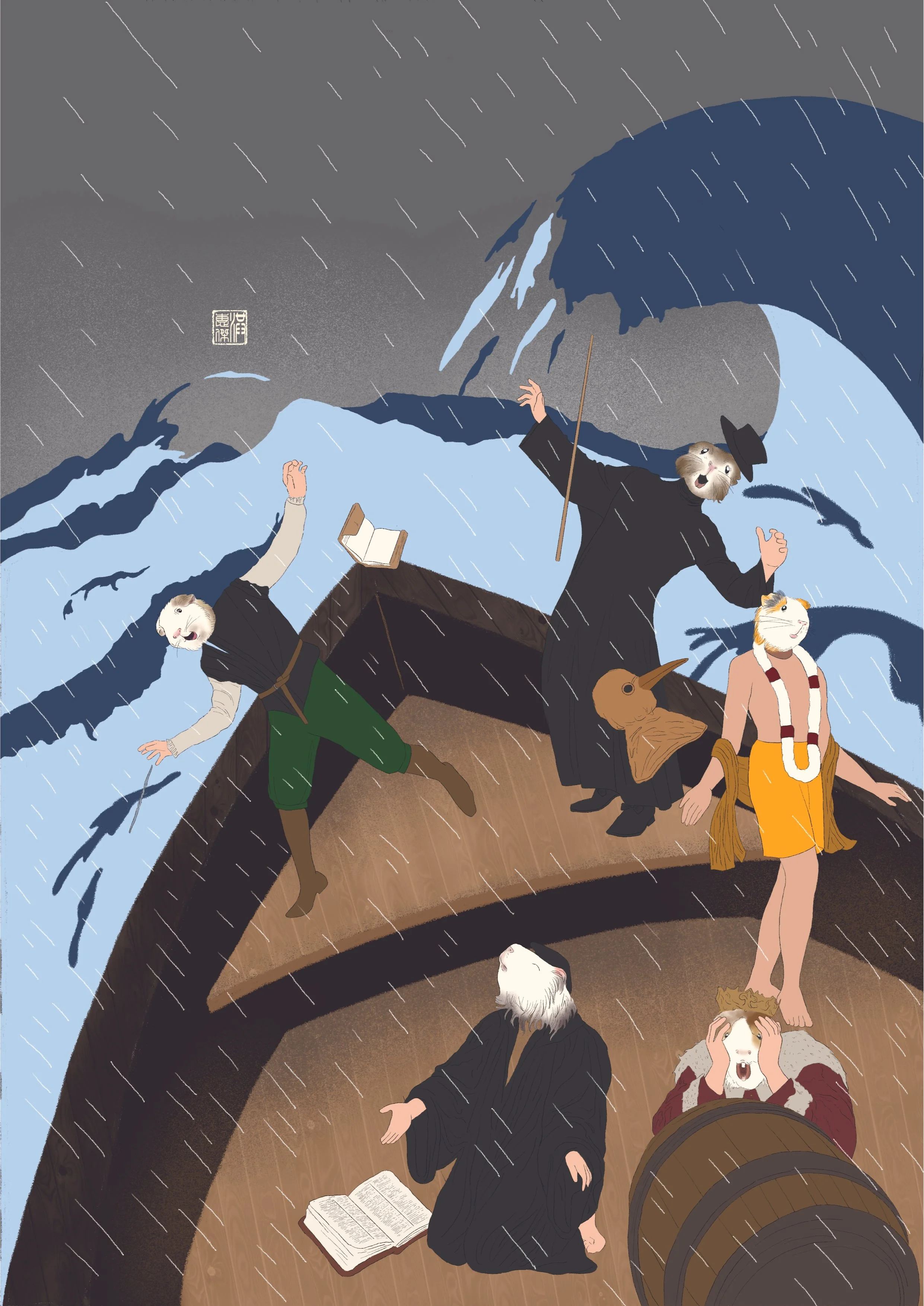

The animal chosen is the Guinea Pig, known for its sensitive and fearful nature.
From clockwise left to right, the historical characters chosen were:
-
His life is strongly associated with conflict, brawling, provocation, and violence. Anger seems central to his temperament: quick to ignite, hard to contain, and often directed outward.
Caravaggio appears to have lived close to the edge of immediate reaction. His temperament suggests difficulty delaying response when provoked, insulted, threatened, or emotionally charged.
☑ Angry Hostility — 95/100
☑ Impulsiveness — 92/100
Anxiety — 78/100
Vulnerability — 74/100
Depression — 70/100
Self-Consciousness — 52/100 -
Plague medicine required constant awareness of infection, death, contamination, symptoms, and invisible danger. He sharpened this dread into hyper-vigilance, inventing the plague doctor suit.
He worked under heavy emotional pressure, surrounded by panic, dying patients, uncertainty, and personal risk. This kind of vulnerability is not weakness. It is the burden of functioning while surrounded by helplessness.
☑ Anxiety — 86/100
☑ Vulnerability — 78/100
Depression — 72/100
Self-Consciousness — 66/100
Impulsiveness — 49/100
Angry Hostility — 44/100 -
His anxiety is devotional and existential. It centers on longing, separation from the divine, spiritual urgency, and the fear of being distant from Krishna.
Chaitanya’s sadness is not merely personal despair. It is the sorrow of separation, the ache of divine absence, and the emotional pain of longing for union with God.
☑ Anxiety — 74/100
☑ Depression — 68/100
Vulnerability — 64/100
Self-Consciousness — 42/100
Impulsiveness — 38/100
Angry Hostility — 24/100 -
He repeatedly became overwhelmed by psychological and political pressure. As king, he was expected to embody stability, continuity, and authority. But his inner life could not reliably support that role.
Charles VI’s fear was likely not abstract worry, but intense threat perception. In his case, anxiety would be tied to confusion, danger, mistrust, bodily fear, and psychological disturbance.
☑ Vulnerability — 96/100
☑ Anxiety — 91/100
Depression — 86/100
Self-Consciousness — 74/100
Impulsiveness — 70/100
Angry Hostility — 64/100 -
His anger was not merely personal irritation. It was moral outrage. He reacted fiercely to what he saw as corruption, false doctrine, spiritual abuse, and institutional arrogance.
His emotional life contained heaviness, darkness, and spiritual despair. This sadness was bound to his religious imagination: guilt, sin, unworthiness, and the crushing burden of conscience.
☑ Angry Hostility — 88/100
☑ Depression — 82/100
Anxiety — 76/100
Vulnerability — 68/100
Self-Consciousness — 54/100
Impulsiveness — 48/100
If you read till the end, we sincerely thank you.
We have given an immense amount of our time and effort into “Who Am I?” and thoroughly enjoyed putting everything together. Though undoubtedly, there are days when our patience and determination are being put to the test… :’) We acknowledge our inadequacies and on hindsight, there is so much to improve on. That said, the past few months working on this has been quite the ride and we are thankful to be able to do the work we do.
In case you are wondering, this is Part One of The Long Walk to Ourselves. That means, the fun has just begun!
Next up, something to do with Companionship—stay close!